
Development boards
Find pin maps, upload methods, logic levels and compatibility notes for Arduino, Raspberry Pi Pico and other development boards.
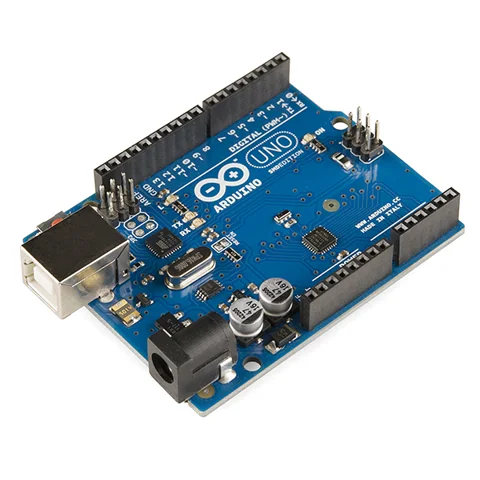
Arduino Uno R3
Classic 5 V Arduino AVR board with USB programming.
Arduino AVR core; use level translation with 3.3 V peripherals that are not 5 V tolerant.
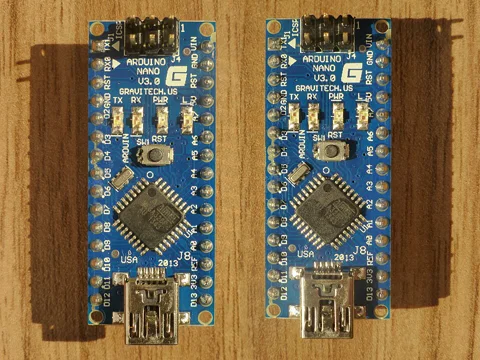
Classic Arduino Nano
ATmega328P board designed for breadboard layouts.
5 V AVR board; verify the processor and bootloader settings before upload.
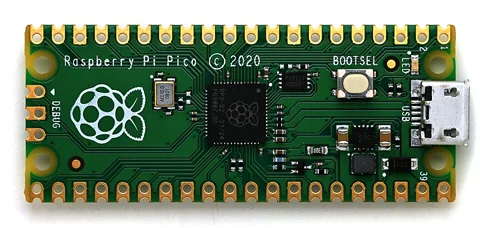
Raspberry Pi Pico
RP2040 development board with USB bootloader.
3.3 V GPIO; MicroPython and C/C++ tooling are documented by Raspberry Pi.
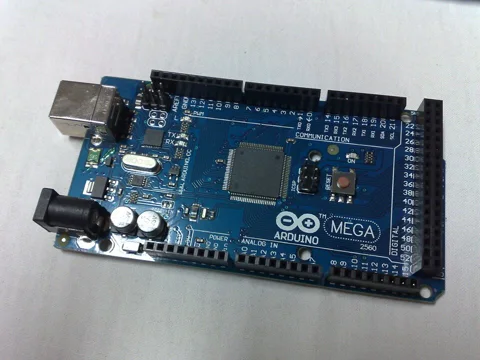
Arduino Mega 2560 Rev3
5 V AVR board with additional pins, memory and hardware UARTs.
Use the Mega 2560 board target; check shield compatibility and bus pin assignments.
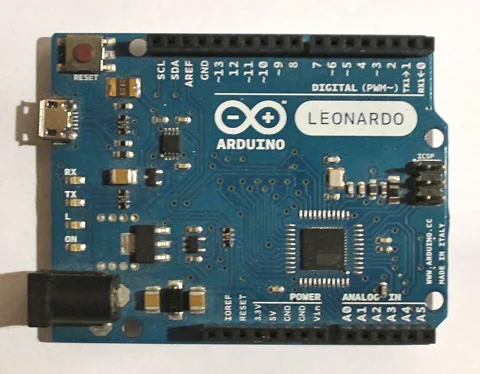
Arduino Leonardo
AVR board with native USB and separate USB and hardware serial interfaces.
Use the Leonardo board target. Do not assume Uno SPI and I²C pin placement.
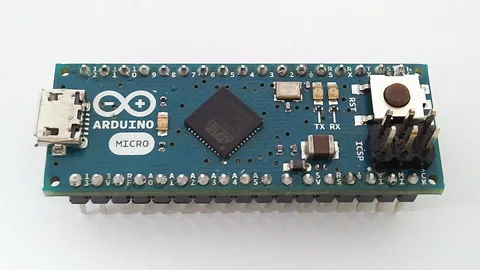
Arduino Micro
Breadboard-oriented ATmega32U4 board with native USB.
Use the Arduino Micro target and the Micro pin map; tiny size does not mean Nano-compatible pins.
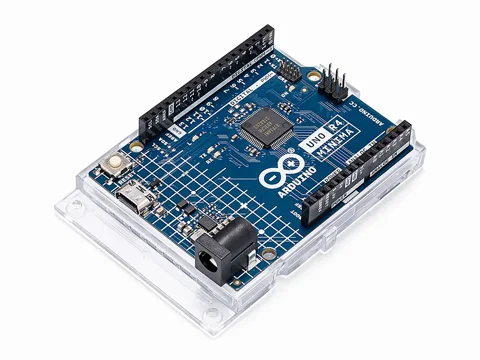
Arduino UNO R4 Minima
Uno-format board based on the 32-bit Renesas RA4M1.
Use the UNO R4 Minima board package; Uno R3 AVR binaries do not run on this board.
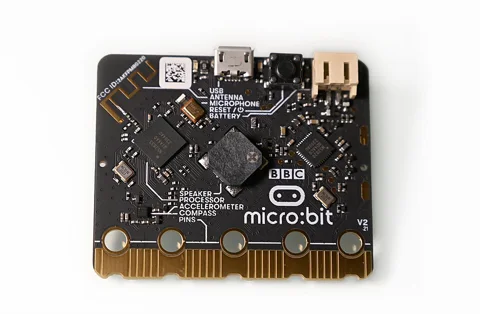
BBC micro:bit V2
Educational microcontroller board with onboard inputs and a 5×5 LED matrix.
Use 3 V-compatible circuitry and tools that support micro:bit V2.
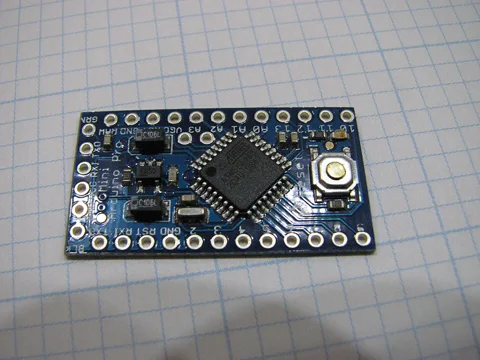
Arduino Pro Mini 3.3 V
Compact AVR board that uses an external serial adapter for programming.
Choose a 3.3 V adapter and the 8 MHz target for this variant; 5 V variants differ.
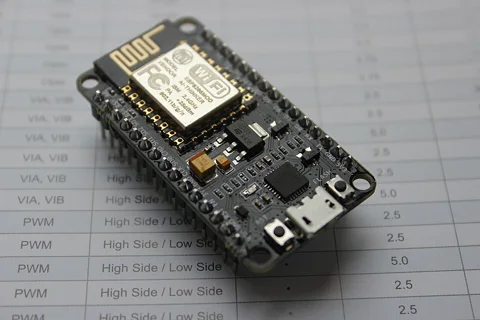
NodeMCU ESP8266 DevKit v1.0
ESP8266 development board with USB-to-UART and a voltage regulator.
Use 3.3 V-compatible GPIO signals and the correct DevKit target. Check your exact board’s analog input circuit.